How to Join a UK-Based Coral Reef Citizen Science Project
You do not need a marine biology degree, a drysuit or a plane ticket to be useful to a coral reef. Plenty of valuable reef work happens in spreadsheets, on image-tagging websites and in the notebooks of volunteer divers who return to the same patch of reef each year and record what they see. Repetition is what makes that data worth having — a single survey tells you little, but five years of the same survey tells you a great deal.
The UK has no tropical reefs of its own, but it does have a long tradition of volunteer marine recording and a steady supply of divers, snorkellers and desk-bound enthusiasts who want to help. Here is how to plug into projects that need you, starting at your kitchen table and working outwards.
Online projects you can join this week
Several platforms host reef-related citizen science tasks that need nothing more than a laptop and a bit of patience. Zooniverse is the best-known, with projects across ecology and biology, and DigiVol, run by the Australian Museum, hosts similar work. Reef monitoring groups also post image sets on iNaturalist for identification.
Typical tasks include:
- tagging individual coral colonies in time-lapse images of a fixed reef plot
- identifying fish species from underwater video or baited camera footage
- classifying bleaching severity against a colour reference card
- transcribing handwritten survey sheets from older expeditions into databases
A few habits separate useful volunteers from frustrating ones. Run the tutorial twice before you start scoring. Slow down — accuracy matters far more than volume, and a rushed classification is worse than no classification. Use the project's forum to ask about anything ambiguous, and stick with one project for a month rather than sampling six for an evening.
Build identification skills before you spend money on flights
CoralWatch and Reef Check
CoralWatch, based at the University of Queensland, uses a printed coral health chart to score colour change. It is designed so that snorkellers and divers can collect comparable data with minimal training, and the free materials explain the method clearly. Reef Check runs a standardised survey protocol and its EcoDiver training is delivered through dive centres in many countries — check current availability with the relevant regional team before booking travel around it.
Practice in UK waters
Seasearch, coordinated by the Marine Conservation Society, trains volunteer divers and snorkellers to record marine life around the UK and Ireland. You will not meet a tropical coral, but you will learn survey discipline: how to follow a transect, record species consistently and fill in a form so someone else can use it. Wildlife trusts and the Field Studies Council also run marine identification courses. These cost money, so ask for the syllabus first and check whether it covers survey methods or just species spotting.
Joining an overseas reef survey
Most volunteer reef expeditions work the same way: you pay a contribution, receive training on site, then join a team collecting data for a research programme or a local marine management body. Providers such as Operation Wallacea, Biosphere Expeditions and Earthwatch run marine research trips, as do various university-linked projects. Costs vary considerably, so treat the fee as the starting point of a conversation, not the whole picture.
Questions to ask before you book
- Where does the data go, and has it been published or handed to a management authority?
- How long has the project been surveying this site, and is the method consistent year to year?
- What proportion of my time is training, and what proportion is actual fieldwork?
- What is included in the fee, and what is not — flights, insurance, kit hire, marine park charges, accommodation?
- What certifications and logged dive counts are required, and is a dive medical needed?
- Can I speak to two or three past volunteers?
Sort out medical and insurance matters early. Get a dive medical if you are diving, and buy travel insurance that explicitly covers the diving and volunteering you will be doing — many standard policies exclude it. A GP, dive medical referee or insurance broker can advise on your specific circumstances.
Snorkel-based and shore-based monitoring
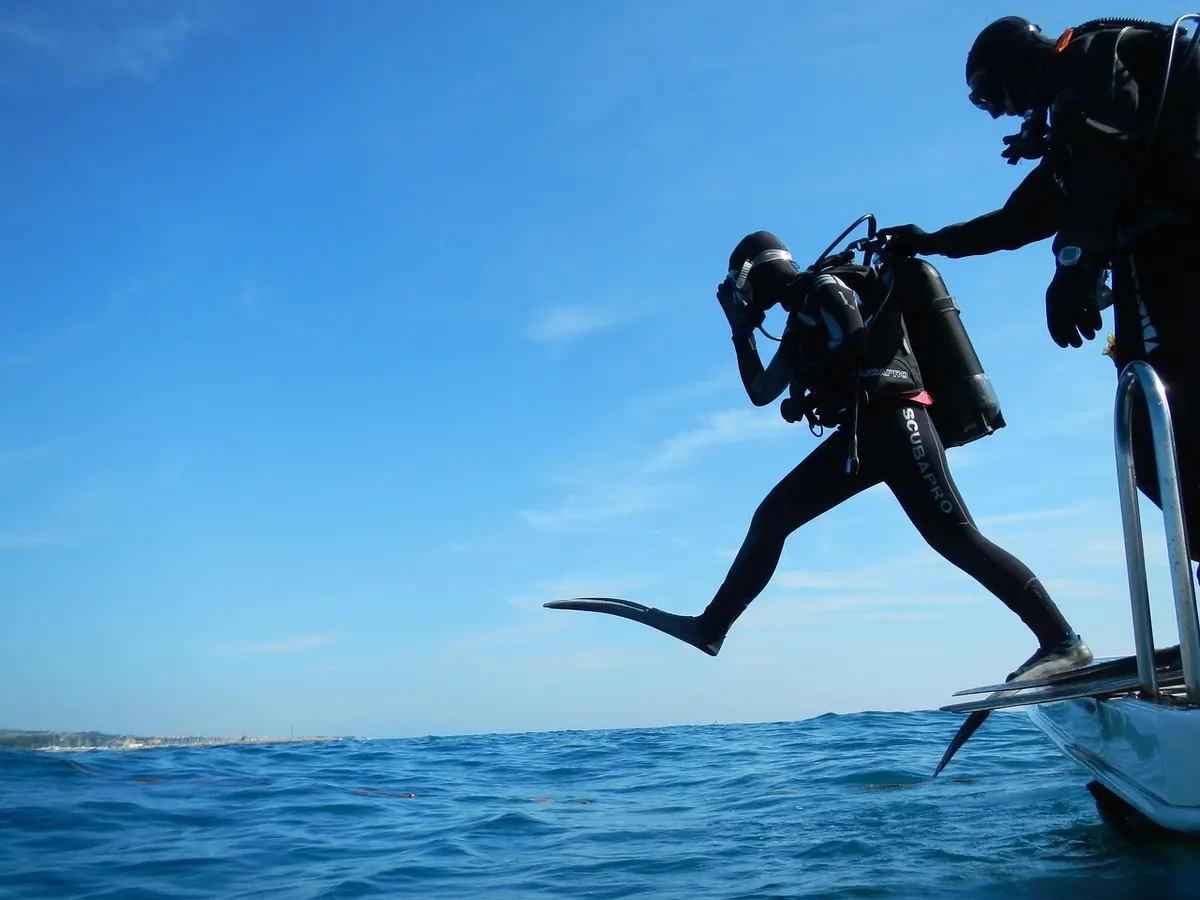
Not every survey needs a cylinder. Reef Check protocols include snorkel surveys, and CoralWatch data can be collected from the surface. Reef flat, seagrass and mangrove monitoring is often done on foot or with mask and fins, and several projects run beach and lagoon transects that suit confident swimmers without dive qualifications. If you are new to the water, this is a sensible first step: less kit, less cost, and the same contribution to a dataset.
Useful if you never get in the water
Reef organisations need far more than field surveyors. Image cataloguing, data cleaning, GIS mapping, illustration of identification guides, translation, grant research and website maintenance all move projects forward. University marine labs frequently need people to score photographs or measure coral outlines from images, and conservation charities in the UK often recruit remote volunteers for administrative and communications work. Say what you can offer in a short, specific email — "I can give four hours a week to image analysis for six months" gets a better response than a general offer of help.
A realistic first month
- Choose one online project, complete the tutorial and log two hours a week.
- Join a UK recording scheme or a free identification course to learn survey basics.
- Decide what you actually want: desk-based, snorkel, or dive survey.
- Shortlist two expedition providers and compare them using the questions above.
- Arrange a dive medical and check your insurance cover if you plan to dive.
- Email the project with a specific offer and ask what last year's data was used for.
Consistency beats intensity. A volunteer who scores a few hundred images every month for a year, or who joins the same reef survey three summers running, is more valuable than one who does a frantic fortnight and disappears. Start small, learn the method properly, and let the reef benefit from your patience.
Photo: Pexels / Pixabay