What the Latest Global Coral Bleaching Report Means for UK Dive Travellers
Word travels fast in dive circles, and the latest global coral bleaching report has been doing the rounds of liveaboard group chats and dive club message threads since it landed. The reaction is usually the same: a grimace, a screenshot of a bone-white reef, and the question every UK diver eventually asks — is it still worth booking that trip?
The honest answer is yes, but with better information and rather more thought than most of us apply when we're chasing a bargain flight in January.
What the Report Actually Says
Global bleaching assessments pull together satellite heat-stress data with reef survey work from dozens of countries. Stripped back, the message is consistent with what the last decade of reporting has shown: episodes of bleaching-level heat stress are becoming more frequent and more widespread, and in many regions the gap between them has shortened. Reefs that once had a decade or more to recover are sometimes being hit again within a few years, and that is the part marine scientists find most troubling.
Two caveats are worth holding on to. First, bleaching is patchy. Satellite data flags heat stress across a broad area, but what happens on the reef floor depends on depth, current, cloud cover, water quality and which species are present. Second, reports lag reality. Survey teams need months to compile results, so what you are reading about is usually last season's conditions, not this month's.
Bleached Is Not the Same as Dead
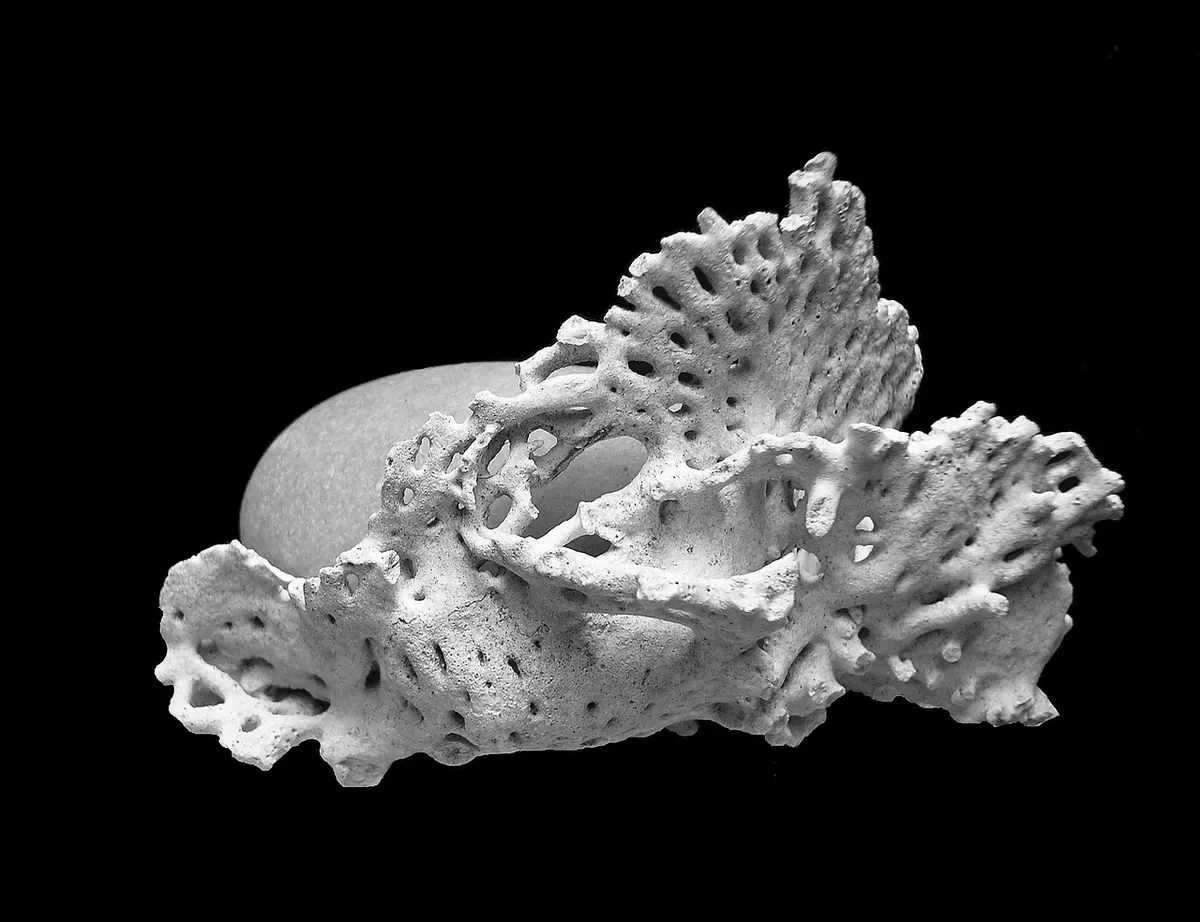
This is the distinction that gets lost in the headlines. When water stays too warm for too long, corals expel the microscopic algae that live in their tissue, give them their colour, and supply most of their energy. The coral is still alive — starving and stressed, but alive. If the temperature drops in time, the algae return and the colony can recover.
What Recovery Looks Like
Recovery is measured in years, not months. Fast-growing branching corals such as staghorn can bounce back relatively quickly; slow, boulder-like species may take decades, and some never regain their former cover. Mortality tends to track the duration and intensity of the heat, so a short, sharp spike does far less damage than weeks of accumulated stress.
For divers, that means a pale reef is not automatically a dead one. Fish populations often stay put through a bleaching event, and coral cover can look thin while the diving itself remains excellent. It also means you should treat photographs with care — a single image of a bleached bommie tells you about that bommie, not about an entire coastline.
How to Read a Destination Before You Book
Timing is the single biggest lever you have. Most tropical reefs have a warm season when bleaching risk peaks and a cooler season when it drops. Ask a dive centre which months are historically coolest, and which months have seen bleaching in the past five years. A good operator will answer without flinching. If the answer is vague, that tells you something too.
Then look at the sites themselves. Reefs in strong currents, near upwellings, or on deeper walls often run cooler and fare better than shallow lagoons. Sites with good water quality — no sewage outflow, no agricultural runoff — recover faster. If you are choosing between two resorts, those details matter more than the infinity pool.
Choosing a Lower-Impact Trip
None of this requires heroics. The most effective choices are also the simplest:
- Travel less often, but for longer. One three-week trip beats three one-week trips with the same flights, for the reef and for your budget.
- Pick operators that moor, not anchor. Ask directly whether they use permanent moorings, and whether buoyancy is briefed before every dive.
- Look for recognised environmental standards. Schemes such as Green Fins, coordinated by the Reef-World Foundation, assess dive centres on everything from anchoring to wildlife handling.
- Dive in small groups with a guide who enforces no-touch. A guide who lets divers kneel on coral is telling you what they think of the reef.
- Sort your buoyancy before you fly. A buoyancy specialty course at your local quarry or inland site pays for itself in a single week abroad.
- Skip the single-use plastic. Take a refillable bottle and a rash guard rather than working through a bottle of sunscreen a day; mineral-based products and cover-ups are the least damaging options. If you have sensitive skin or take medication, check with a pharmacist before switching products.
- Keep your hands, fins and camera to yourself. No feeding, no holding, no "just this once" photographs with something you have picked up.
The Flight Is Still the Biggest Part of the Equation
For most UK divers, the return flight to the tropics dwarfs everything else in a trip's carbon footprint. That is not a reason to stay home, but it is a reason to make the journey count. Fly direct where you can, stay longer, and stop treating a long-haul trip as a weekend break with a dive bolted on.
Offsetting is worth doing but should not be treated as a solution — the schemes vary widely in quality and the reduction is rarely as neat as the marketing suggests. The bigger local wins are things you can support on the ground: marine protected areas, mooring programmes, reef restoration nurseries, and locally owned businesses whose livelihoods depend on reefs staying healthy.
Four Questions Worth Asking Before You Pay a Deposit
- Which months have the coolest water here, and when was the last bleaching event?
- Do you use mooring buoys at the sites we will be diving?
- What does your briefing cover on buoyancy and no-touch?
- Who owns the operation, and where does the money stay?
Book the Trip, Dive It Well
Reports like this are meant to inform decisions, not end them. Reefs under pressure still hold extraordinary diving, and the destinations that look after their reefs are the ones that will still be worth flying to in ten years. Choose your season with care, choose your operator with more care, and spend your money where it does some good. That is a far more useful response than cancelling the trip.